Discovery Lab

Bridging Biology and Intelligence

Decoding the Chemical and Electrical Language of the Brain

桥接生物与智能:破译大脑的电、化学双重语言

Explore Our Vision

Our Mission

We stand at a new starting point in the evolution of human intelligence. The brain is not merely an electrical signal network, but a complex chemical system. Traditional silicon-based computing and sensing have reached physical bottlenecks, while the ultimate energy efficiency and recognition precision demonstrated by living systems in micro-nano confined spaces are the sources of inspiration for us to break through limits.

我们正处于人类智能进化的新起点。大脑不仅是一个电信号网络,更是一个复杂的化学系统。传统的硅基计算与传感已达到物理瓶颈,而生命系统在微纳受限空间内展现出的极致能效与识别精度,正是我们突破极限的灵感来源。

Our Vision

We are dedicated to developing all-modal implantable brain-computer interfaces, decoding the brain's most essential "electro-chemical" native language, and reconstructing the interaction boundary between humans and machines, humans and life itself. Our research is built upon solid-state nanopore sensing technology, nanofluidic computing based on the Second Wien Effect, and advanced micro-nano fabrication techniques. By constructing fluidic memristors that replicate synaptic plasticity at the hardware level and developing high-throughput nanopore arrays for single-molecule precision detection, we aim to push the boundaries of what's possible in neuroscience and computing.

我们致力于研发全模态植入式脑机接口,通过解码大脑最本质的"电-化学"母语,重建人类与机器、人类与生命本身的交互边界。我们的研究建立在固态纳米孔传感技术、基于第二维恩效应的纳米流体计算以及先进微纳加工技术之上。通过构建在硬件层面复现突触可塑性的流体忆阻器,开发实现单分子精度检测的高通量纳米孔阵列,我们旨在突破神经科学与计算领域的边界。

Our work sits at the intersection of computational neuroscience, electrochemistry, neuromorphic engineering, single-molecule biophysics, nanofluidics, machine learning, semiconductor physics, and biomaterials. This unique interdisciplinary ecosystem enables us to approach challenges from multiple perspectives, combining theoretical insights with engineering innovations. We seek fearless explorers who refuse to be defined by traditional boundaries—whether you are a theoretical physicist modeling ion dynamics, a micro-nano fabrication engineer pushing semiconductor limits, a neuroscientist decoding the brain's chemical language, an algorithm designer developing real-time signal processing, or a biomaterials scientist ensuring biocompatibility. Here, you will not only conduct research but participate in a revolution about reshaping the boundaries of life itself.

我们的工作位于计算神经科学、电化学、神经形态工程、单分子生物物理、纳米流体学、机器学习、半导体物理和生物材料等多个前沿学科的交叉点。这种独特的跨学科生态系统使我们能够从多角度应对挑战,将理论洞察与工程创新相结合。我们寻找不被定义、勇于跨界的探险者——无论你是建模离子动力学的理论物理学家、突破半导体工艺极限的微纳加工工程师、解码大脑化学语言的神经科学家、开发实时信号处理的算法设计师,还是确保生物相容性的生物材料科学家。在这里,你不仅是在做研究,更是在参与一场关于重塑生命边界的革命。

Our PI

实验室负责人

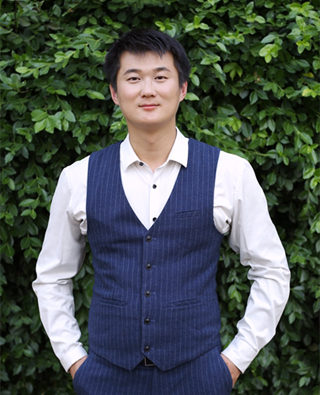
Kaisheng Ma

Kaisheng Ma (马恺声)

Tsinghua University IIIS 清华大学交叉信息研究院 Tenured Associate Professor · 长聘副教授
Xiongan AI Research Institute 雄安人工智能研究院 Principal Investigator

Biography

Kaisheng Ma is a tenured associate professor of computer science in the Institute for Interdisciplinary Information Sciences (IIIS) at Tsinghua University. He leads the Discovery Lab, focusing on the interdisciplinary fields of brain-computer interfaces, solid-state nanopore technology, nanofluidic computing, and neuromorphic engineering.

His research interests span from fundamental neuroscience to chip-level system solutions, with special emphasis on implantable medical and neural devices. He believes in vertical integration for systems, combining theoretical insights with engineering innovations to push the boundaries of human-machine interface.

He received his Ph.D. in Computer Science and Engineering at the Pennsylvania State University. His doctoral research on Nonvolatile Processor and Energy Harvesting won the 2018 EDAA Best Dissertation Award. He publishes in top-tier conferences including NeurIPS, ICCV, AAAI, CVPR, ISCA, ASPLOS, MICRO, HPCA, and DAC.

Selected Awards & Honors

  • 2022 CCF Integrated Circuit Early Career Award (China Computer Federation)
  • 2018 EDAA Best Dissertation Award (European Design and Automation Association)
  • 2017 ASP-DAC Best Paper Award
  • 2016 IEEE MICRO Top Picks
  • 2015 HPCA Best Paper Award
  • 2016 Penn State CSE Department Best Graduate Research Award
Research

研究方向

Next-Generation Brain-Computer Interfaces

下一代植入式脑机接口

"We are not only recording signals, we are building deep coupling pathways between life and machines."
我们不仅在记录信号,我们正在构建生命与机器的深度耦合通路。

Our Vision: All-Modal, Long-Term Stable Brain Implants

我们的愿景:全模态、长程稳定的脑部植入物

We are committed to developing implantable brain-computer interface systems capable of long-term stable operation. Our goal is to achieve high-bandwidth, full-depth, non-destructive reading of brain activity, providing ultimate hardware support for closed-loop diagnosis and treatment of neurodegenerative diseases and future human-machine symbiosis.

我们致力于开发能够长期稳定运行的植入式脑机接口系统。目标是实现对大脑活动的高带宽、多维度读取,为神经退行性疾病的闭环诊疗及未来的人机共生提供终极硬件支撑。

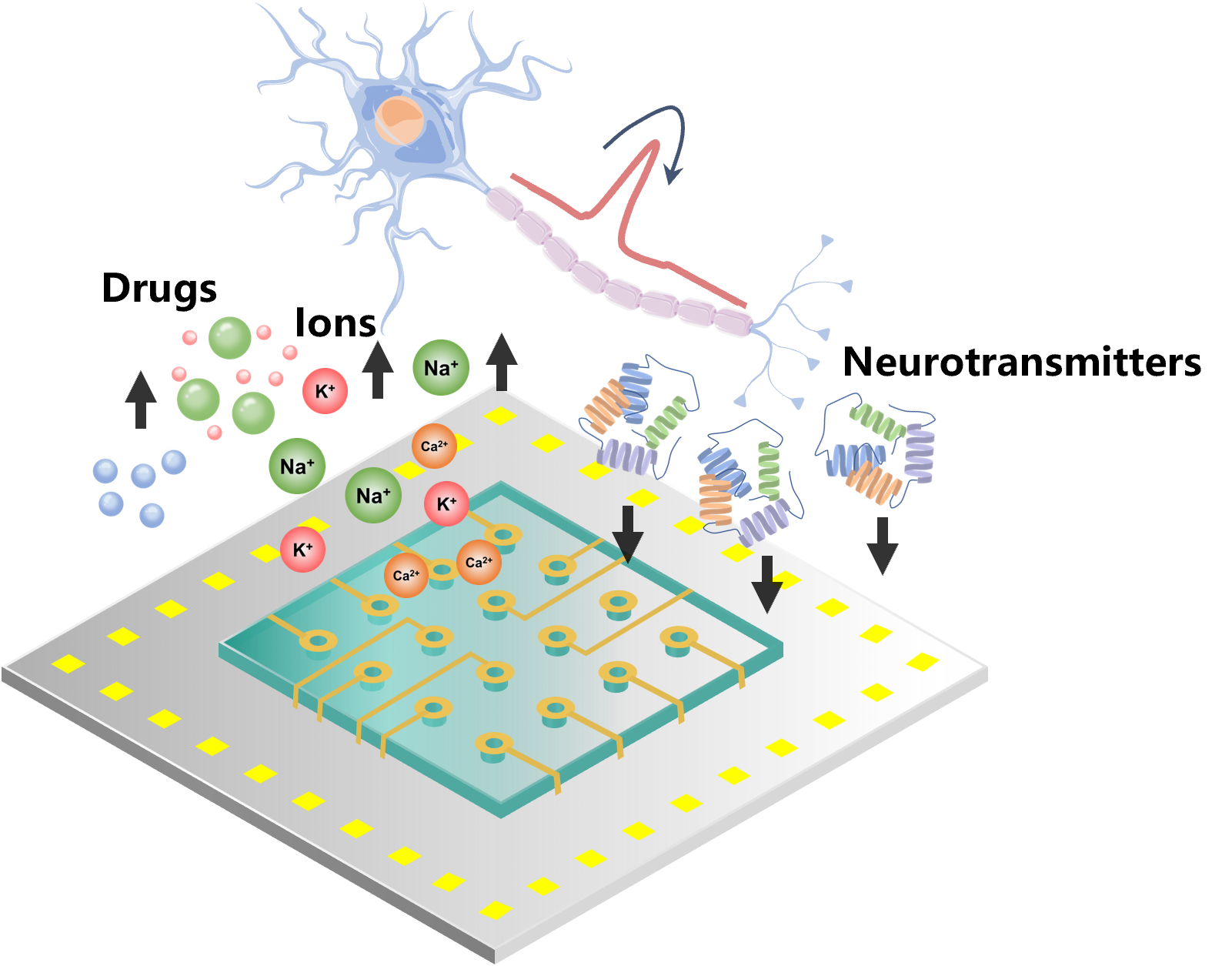
Traditional BCI research has primarily focused on capturing neuronal electrical activity. However, the brain is fundamentally an electro-chemical coupled precision system—neurotransmitter concentration fluctuations directly determine emotions, memory, and motor control. By developing interfaces that directly "read" this chemical native language, we complete the missing "chemical landscape" of brain activity recording.

传统的脑机接口研究主要聚焦于捕获神经元的电活动,然而大脑本质上是电-化学耦合的精密系统。神经递质的浓度波动直接决定了人的情绪、记忆与运动控制。通过开发能够直接"读取"这一化学母语的接口,我们补全了脑活动记录中缺失的"化学版图"。

Our research aims to provide revolutionary closed-loop therapeutic solutions for neurodegenerative diseases such as Parkinson's and depression, which often stem from chemical signal imbalances. Beyond clinical medicine, this technology will define the next generation of multi-modal brain-computer interface standards, achieving deep understanding of human emotions, cognitive states, and true intentions.

我们的研究旨在为帕金森病、抑郁症等神经退行性疾病提供革命性的闭环诊疗解决方案,这些疾病往往源于化学信号的失衡。超越临床医学,这项技术将定义下一代多模态脑机接口标准,实现对人类情绪、认知状态与真实意图的深度理解。

Brain-Inspired Model & Algorithm Design

脑启发的新型模型算法设计

"Billions of years of evolutionary refinement have endowed the brain with mechanisms that hold the key to overcoming AI's bottlenecks and birthing next-generation intelligence."
亿万年进化淬炼出的生物大脑机制,是突破当前人工智能发展瓶颈、孕育下一代智能系统的关键。

From DNNs to Bio-Plausible Networks

从深度网络到生物合理性网络

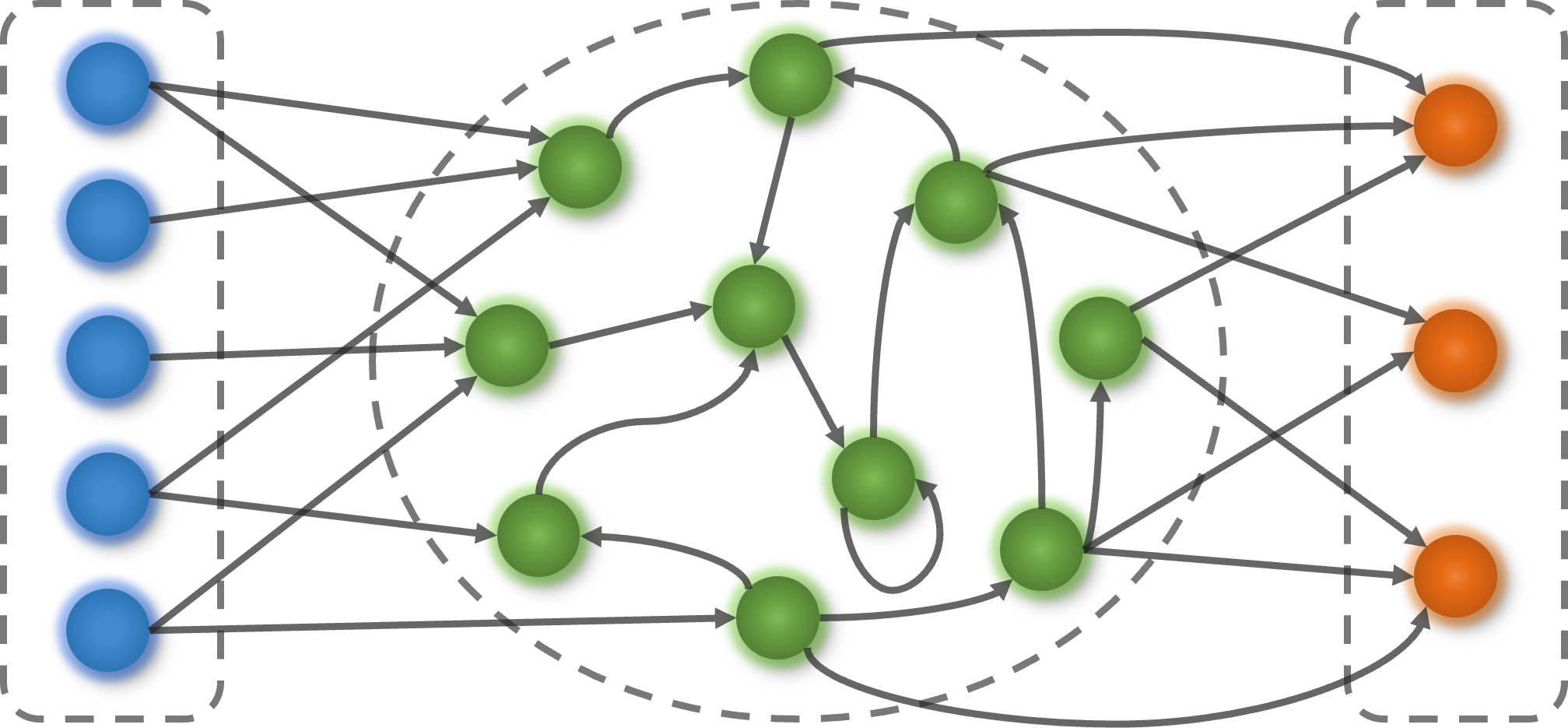
Deep Neural Networks have achieved remarkable success, yet face fundamental limitations: vulnerability to adversarial attacks, poor robustness against natural corruptions, and inability to learn from small samples. In contrast, mammalian brains demonstrate exceptional robustness through feedback circuits and associative mechanisms. We explore bio-plausible architectures that integrate temporal recurrence and connection feedback across neuron, block, and network levels, creating "2.5th generation" neural networks that bridge the expressiveness gap between DNNs and Spiking Neural Networks while inheriting biological plausibility and effective learning theories.

深度神经网络虽然取得了巨大成功,但仍存在关键局限:易受对抗攻击、对自然扰动鲁棒性差、难以从小样本学习。相比之下,哺乳动物大脑通过反馈回路和联想机制展现出卓越的鲁棒性。我们探索融合时间递归和连接反馈的生物合理架构,在神经元、模块和网络层面实现多层次反馈,创建"2.5代"神经网络——桥接深度神经网络与脉冲神经网络的表达力鸿沟,同时继承生物合理性和有效的学习理论。

Technology Engine

技术引擎:从纳米孔到智能未来

"The 'solid-state nanopore' technology underlying our chemical BCI is the key to opening three additional doors."
化学脑机接口底层的'固态纳米孔'技术,是我们开启另外三扇大门的钥匙。

Solid-State Nanopores

固态纳米孔技术

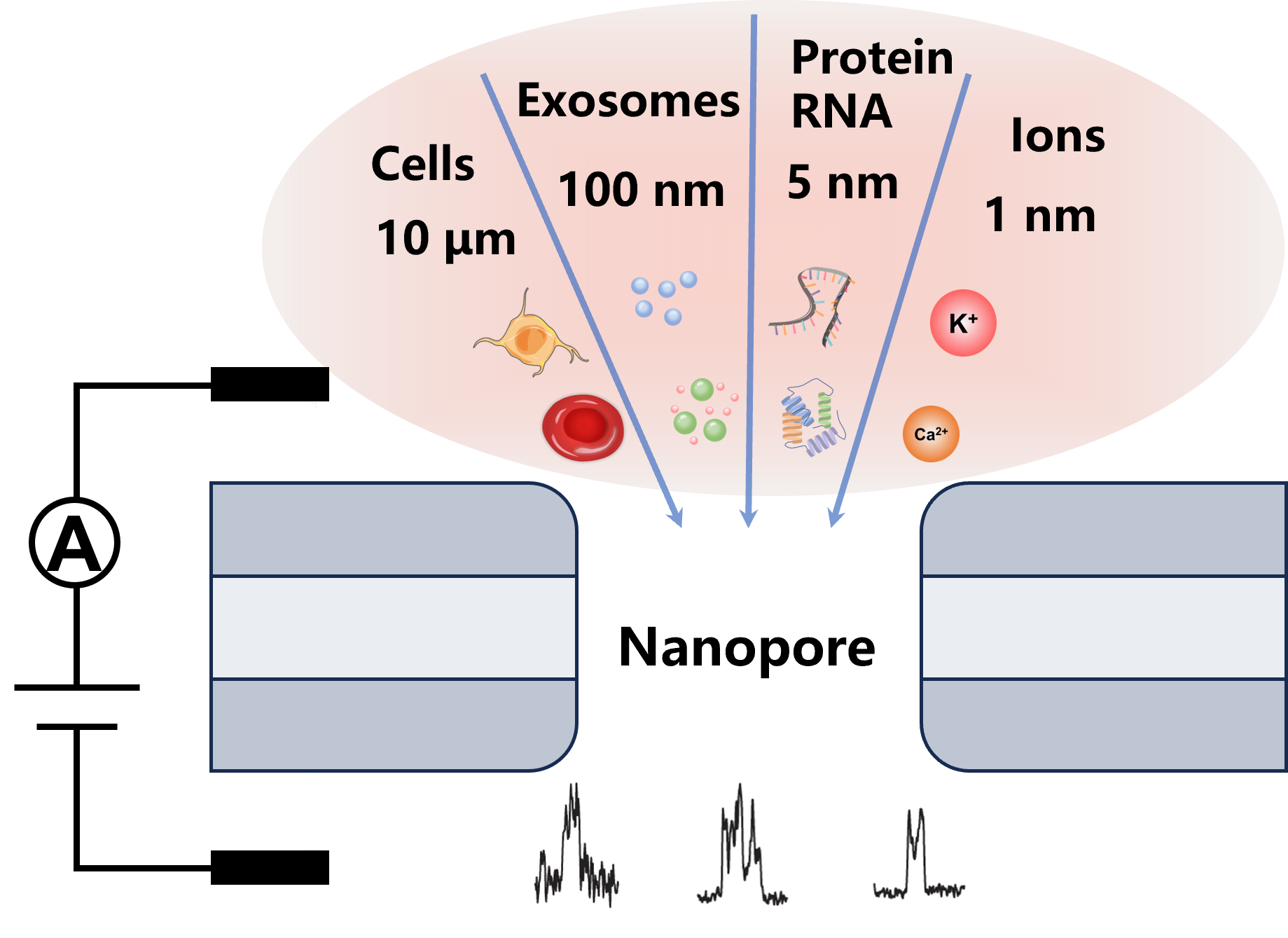
To achieve high-sensitivity chemical signal reading, we deeply cultivate solid-state nanopore technology. This ultimate control over ions and molecules at the sub-nanometer scale not only serves brain-computer interfaces, but also extends to three disruptive research fields.

为了实现高灵敏度的化学信号读取,我们深耕固态纳米孔技术。这种在亚纳米尺度下对离子和分子的极致操控力,不仅服务于脑机接口,更延伸出了三个颠覆性的研究领域。

Single Molecular/Cellular Detection

Single Molecular/Cellular Detection

单分子/细胞检测

Leveraging solid-state nanopore technology, we're building a high-throughput platform for molecular fingerprinting. The technology enables real-time detection and identification of single molecules—from DNA and RNA to peptides and complex proteins. Additionally, through microfluidic enrichment integration, we're achieving sensitive detection of rare cellular events like Circulating Tumor Cells (CTCs). This work aims to transform liquid biopsy, opening new frontiers in early cancer screening and proteomics.

基于固态纳米孔技术,我们正在构建高通量分子指纹识别平台。该技术旨在实现对DNA、RNA、多肽及复杂蛋白质的实时单分子检测与鉴定。另外,通过集成微流控富集技术,我们致力于实现对循环肿瘤细胞等稀有细胞事件的灵敏检测。这项工作将推动液体活检技术的发展,为癌症早筛和蛋白质组学研究开辟新前沿。

Nanofluidic Neuromorphic Computing

Nanofluidic Neuromorphic Computing

纳米流体类脑计算

Inspired by the brain's efficient ion flow computing, we apply nanopore technology to hardware development. By constructing "ionic memristors" in fluids, we reproduce synaptic plasticity at the physical level, aiming to create next-generation neuromorphic computing chips with ultra-low power consumption and integrated sensing and computation. Leveraging the Second Wien Effect in nanofluidic channels, we're building computational architectures that transcend the fundamental limits of silicon-based electronics, opening a path toward brain-energy-efficiency computing that could revolutionize edge intelligence and bio-integrated systems.

受大脑离子流高效运算的启发,我们将纳米孔技术应用于硬件开发。通过在流体中构建"离子忆阻器",我们在物理层面复现了生物突触的可塑性,旨在打造超低功耗、感算一体的下一代类脑计算芯片。利用纳米流体通道中的第二维恩效应,我们正在构建超越硅基电子学物理极限的计算架构,为实现接近生物大脑能效的计算开辟新路径,这将彻底改变边缘智能与生物集成系统的未来。

Closed-Loop Neural Modulation

Closed-Loop Neural Modulation

闭环神经调控

We're developing implantable chips that integrate sensing, decoding, and modulation into a unified closed-loop system. Using dual-modal sensing, the system captures both electrical spikes and neurotransmitter dynamics (dopamine, serotonin, etc.) to decode brain states with high precision. When abnormalities arise, the chip delivers targeted electrical or chemical interventions to restore neural homeostasis. This bidirectional interface not only represents a new therapeutic paradigm for neurological and psychiatric conditions like Parkinson's disease, but also opens vast possibilities for future human-machine symbiosis and cognitive enhancement.

我们正在研发集成传感、解码与调控功能的植入式闭环芯片系统。通过电学/化学双模态传感,系统同步捕捉神经电脉冲与神经递质(多巴胺、血清素等)的动态变化,实现对大脑状态的精准解码。一旦检测到异常信号,芯片将触发针对性的电刺激或化学调控,恢复神经稳态。这种双向交互不仅为帕金森病等神经精神疾病提供了全新的治疗范式,更为未来人机融合与认知增强开辟了广阔空间。

Technical Challenges

技术挑战

"Realizing our vision requires overcoming fundamental challenges at the intersection of nanotechnology, neuroscience, and engineering. These technical barriers define the frontiers we're pushing—and the opportunities for breakthrough contributions."
实现我们的愿景需要克服纳米技术、神经科学与工程交叉领域的根本性挑战。这些技术壁垒定义了我们正在推进的前沿,也为突破性贡献提供了机遇。
01

Nanopore Fabrication & Array Integration

纳米孔制备与阵列集成

Precise control over nanopore diameter at sub-nanometer scale, coupled with accurate positioning across large arrays, presents significant fabrication challenges. We employ controlled dielectric breakdown (CBD) to achieve pore formation with <1 nm precision, but scaling this approach while maintaining uniformity across thousands of pores remains difficult. Our goal is to develop high-density nanopore arrays with >10⁴ cm⁻² density that maintain consistent performance and CMOS compatibility for integrated readout electronics.

在亚纳米尺度上精确控制纳米孔直径,并在大规模阵列中实现精确定位,面临着显著的制备挑战。我们采用可控介电击穿(CBD)技术实现<1 nm精度的成孔,但在保持数千个纳米孔性能一致性的同时扩展这一方法仍十分困难。我们的目标是开发密度>10⁴ cm⁻²的高密度纳米孔阵列,同时保持性能一致性以及与CMOS工艺的兼容性以集成读出电路。

02

Surface Functionalization & Biocompatibility

表面功能化与生物相容性

Surface functionalization enables molecular selectivity and signal enhancement. By modifying nanopore surface properties—including charge distribution, hydrophobicity, and functional group density—we create selective recognition that distinguishes similar neurotransmitters while optimizing ion transport for maximum signal-to-noise ratio. Anti-fouling strategies concurrently mitigate non-specific adsorption in physiological environments, preserving functionality during long-term implantation.

表面功能化是实现分子选择性和信号增强的核心机制。通过精确调控纳米孔表面化学——包括电荷分布、疏水性和官能团密度——我们构建选择性识别能力,区分结构相似的神经递质,同时优化离子传输以实现最大信噪比。此外,抗污策略可减少复杂体液环境中的非特异性吸附,在长期植入过程中保持传感器功能。

03

Ultra-Low Noise Signal Processing

超低噪声信号处理

Nanopore signals operate at picoampere-femtoampere levels, buried under multiple noise sources including 1/f noise, thermal noise, and environmental interference. Extracting molecular fingerprints requires amplifiers with <0.5 pA rms noise at >100 kHz bandwidth, alongside sophisticated filtering algorithms. We're designing custom ASICs and signal processing pipelines that can achieve single-molecule resolution while maintaining ultra-low power consumption suitable for implantable systems.

纳米孔信号工作在皮安-飞安量级,被1/f噪声、热噪声和环境干扰等多种噪声源淹没。提取分子指纹需要噪声<0.5 pA rms、带宽>100 kHz的放大器,以及复杂的滤波算法。我们正在设计定制ASIC和信号处理流程,在实现单分子分辨率的同时保持适用于植入式系统的超低功耗。

04

Molecular Recognition Algorithms

分子识别算法

Single-molecule signals exhibit substantial variation due to translocation speed, molecular conformation, and stochastic noise. Distinguishing between similar molecules (e.g., dopamine vs. norepinephrine) requires machine learning models trained on extensive labeled datasets—data that is costly and time-consuming to acquire. We're developing deep learning architectures that can learn from limited samples, generalize across different biological environments, and run efficiently on resource-constrained edge devices with millisecond-scale latency.

由于通过速度、分子构象和随机噪声的影响,单分子信号存在显著变异。区分相似分子(如多巴胺与去甲肾上腺素)需要在大量标注数据集上训练的机器学习模型,而这些数据的获取既昂贵又耗时。我们正在开发能够从小样本学习、在不同生物环境中泛化、并在资源受限的边缘设备上以毫秒级延迟高效运行的深度学习架构。

05

Long-Term Implant Stability

长期植入稳定性

Long-term implants face multiple challenges: mechanical mismatch between rigid devices and soft brain tissue, foreign body response leading to glial scar formation, electrode impedance increase, and signal quality degradation. Most current implantable devices lose significant functionality within weeks or months. We're developing flexible electrode arrays, bioactive coatings, and materials science innovations to achieve implantable devices that can function stably for 5+ years—critical for transitioning from research prototypes to clinical applications.

长期植入面临着机械失配(刚性器件与软脑组织之间)、异物反应导致胶质瘢痕形成、电极阻抗升高以及信号质量衰减等多重挑战。当前大多数植入器件在数周或数月内失去大部分功能。我们正在开发柔性电极阵列、生物活性涂层和材料科学创新,旨在实现能稳定工作5年以上的植入式器件,这对于从科研原型走向临床应用至关重要。

Collaboration Ecosystem

合作生态

"Trinity: From laboratory prototype to national strategy implementation."
三位一体:从实验室雏形到国家战略落地。
🎓

Academic Engine

学术引擎

Tsinghua University IIIS

清华大学交叉信息研究院

Drawing upon world-class academic ecosystems and interdisciplinary theoretical foundations to enable breakthrough innovations across cross-disciplinary fields.

依托世界一流的学术生态和前沿跨学科理论根基,推动交叉领域的突破性创新。

⚙️

Engineering Transformation

工程转化

Micro-Nano Processing Laboratory

微纳加工实验室

With leading micro-nano fabrication capabilities, we transform laboratory concepts into industrial-grade hardware prototypes.

凭借领先的微纳加工能力,将实验室构想转化为工业级硬件原型。

🏛️

Strategic Implementation

战略落地

Xiongan AI Research Institute

雄安人工智能研究院

Providing national-level application scenarios and pilot platforms, allowing technology to truly take root in the "City of the Future."

提供国家级应用场景与中试平台,让技术在"未来之城"真正落地生根。

Join Us

加入我们

"Innovate with us, be defined by the future."
我们正在寻找不被定义、勇于跨界的探险者。

Whether you are a geek deeply engaged in micro-nano processing, a scholar with insights into neuroscience, or an engineer proficient in algorithms or circuit design, here you are not only doing research, but participating in a revolution about "reshaping life boundaries."

无论你是深耕微纳加工的极客、洞察神经科学的学者,还是精通算法或电路设计的工程师,在这里,你不仅是在做一份研究,更是在参与一场关于"重塑生命边界"的革命。

Open Positions

机会

  • Cross Researcher 交叉研究员
  • Engineer 工程师
  • Research Assistant 研究助理
  • PhD/Master Students 博士/硕士研究生

Research Directions

研究方向

  • Implantable Hardware 植入式硬件
  • Neuroelectrochemistry 神经电化学
  • Brain-Inspired AI Algorithm 脑启发的AI算法
  • Single-Molecule Detection Algorithms 单分子检测算法
  • Biological/Chemical Modification 生物/化学修饰

Ready to Shape the Future?

Contact Us

Email: kaisheng@mail.tsinghua.edu.cn